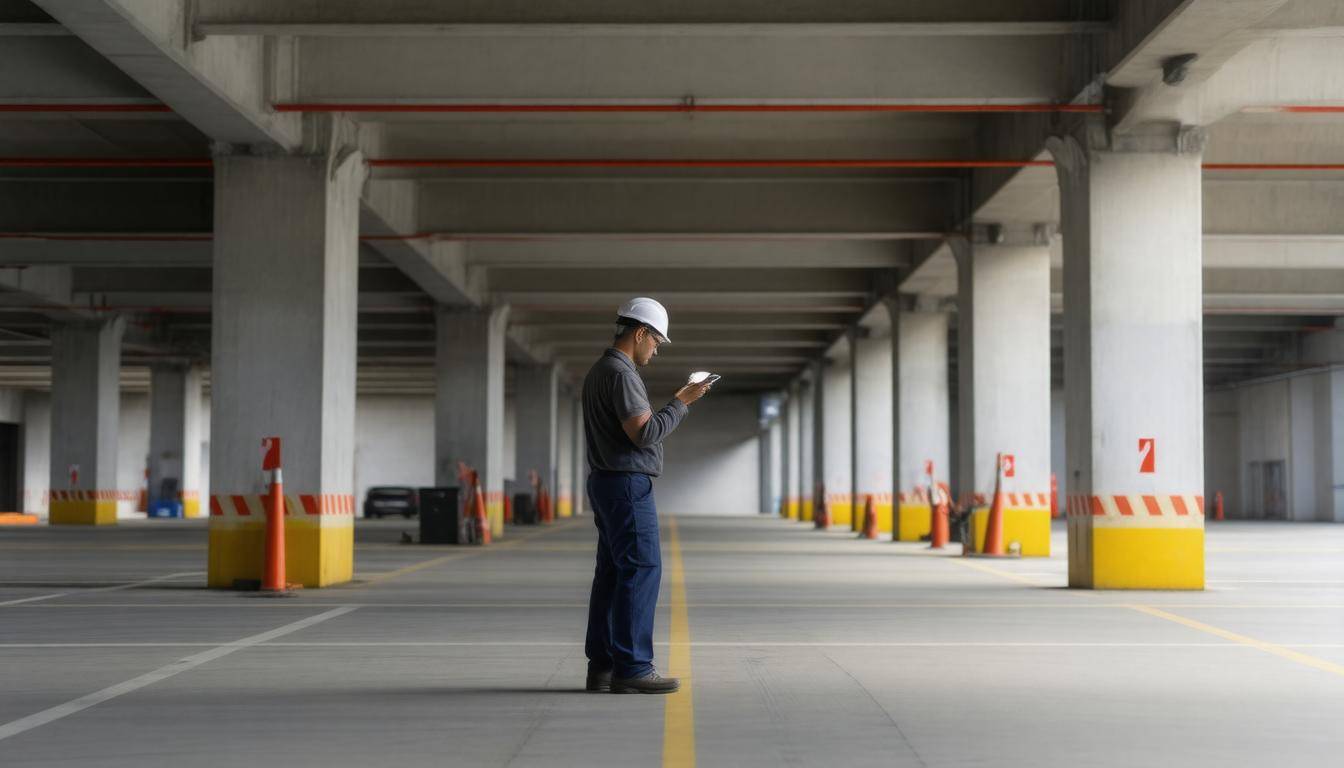
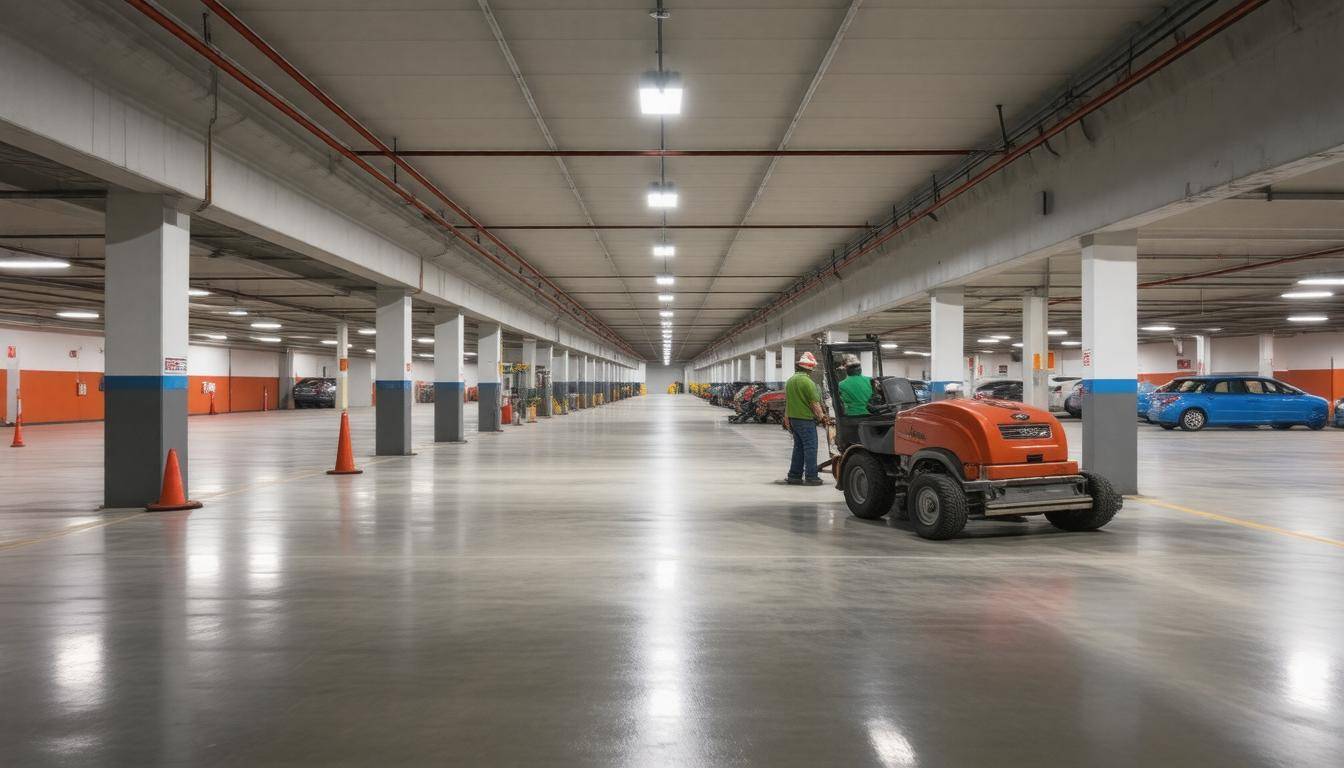
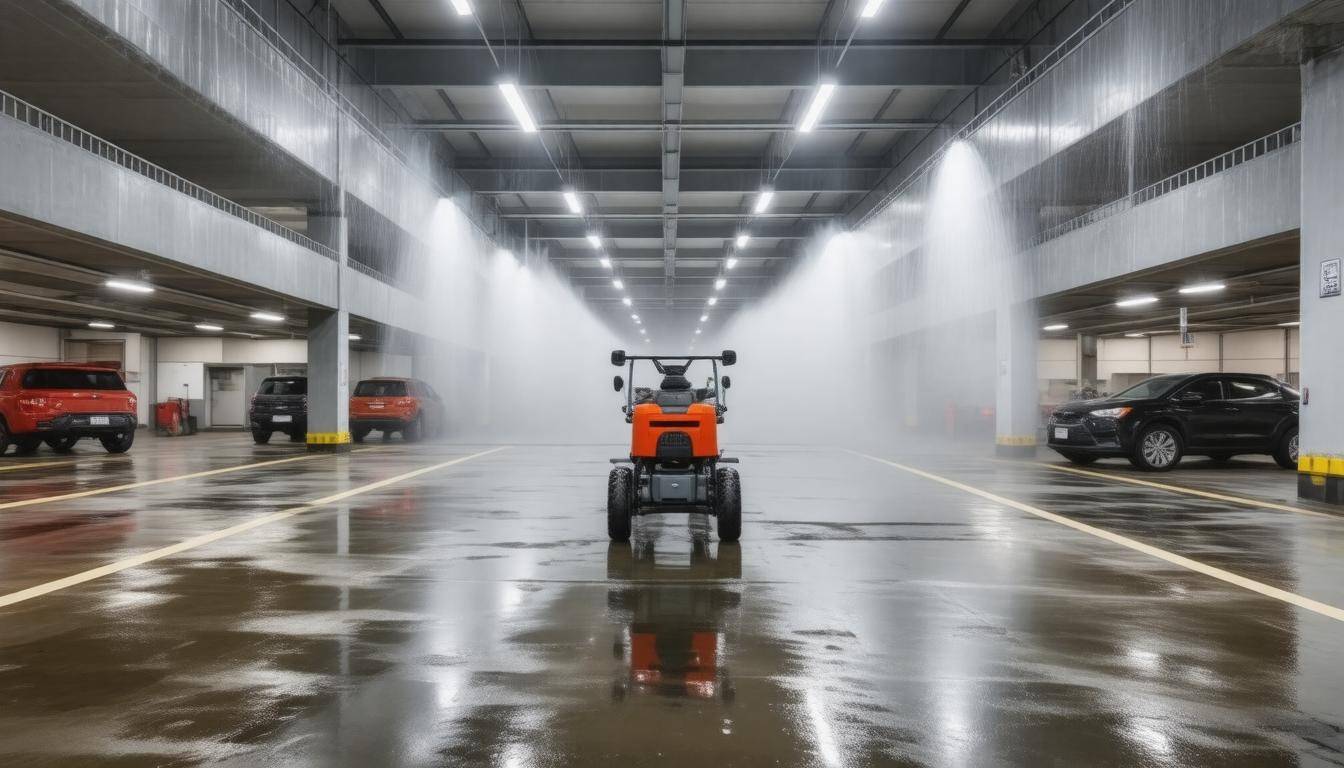
Pressure washing a parking garage might sound straightforward—just spray some water and soap, right? But behind that simple idea lies a lot more to think about, especially when it comes to safety. From slippery floors to heavy equipment and electrical hazards, there are plenty of things that can go wrong if you’re not careful. This guide walks you through important safety steps and best practices so you can get the job done effectively without risking injury or damage. Whether you’re a property manager or a cleaning professional, understanding these basics will help keep everyone safe and your garage looking great. In addition to garages, these pressure washing services can also be applied to other areas, such as a parking lot, requiring diligent safety protocols for effective cleaning.
When pressure washing a parking garage, it is essential to follow strict safety guidelines, such as wearing personal protective equipment (PPE) including gloves, goggles, and non-slip boots; ensuring proper ventilation to avoid buildup of fumes from cleaning chemicals and equipment exhaust; using appropriate pressure settings to prevent surface damage and injury; securing the area to keep pedestrians and vehicles clear; and employing certified operators trained in both pressure washing techniques and OSHA safety standards. Additionally, it’s important to use environmentally friendly detergents compliant with local regulations to minimize health risks and environmental impact.
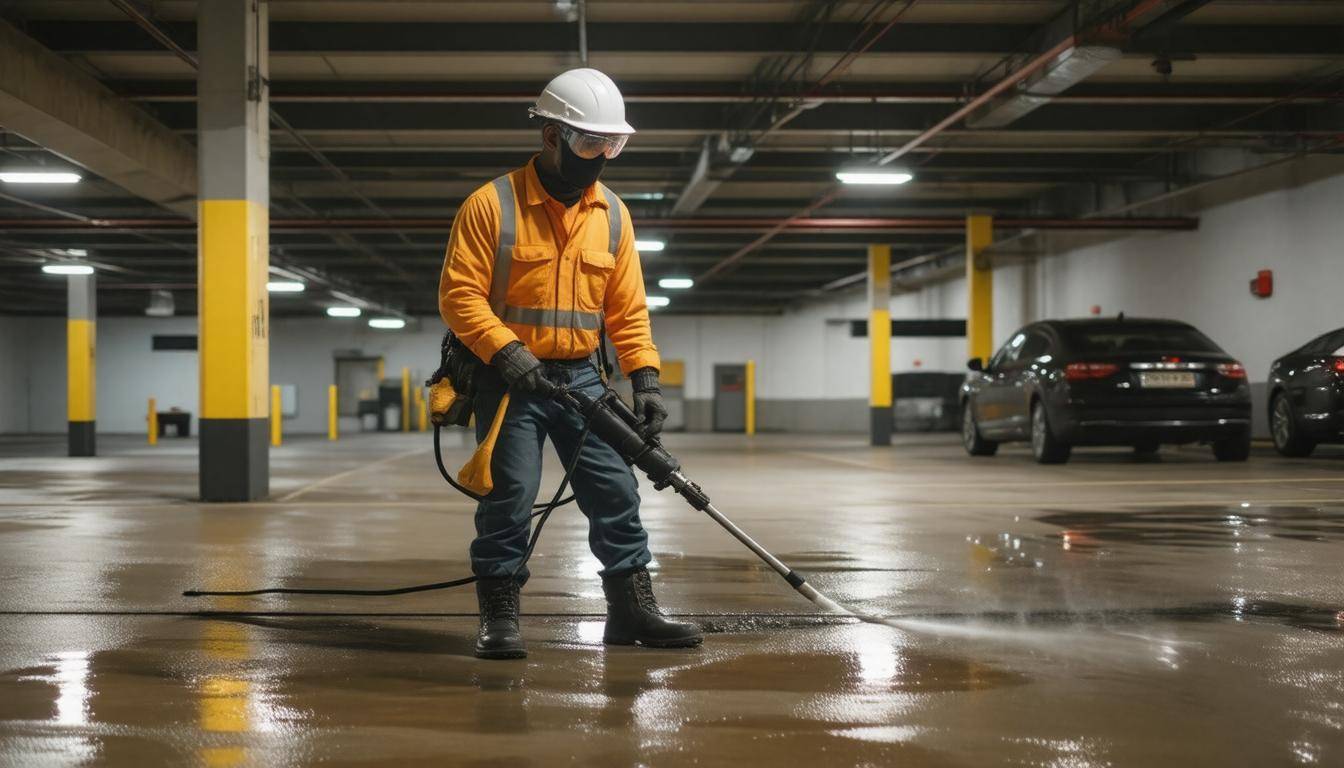
The first step before wielding any equipment is to carefully inspect the entire parking garage area. This inspection isn't just a casual glance; it involves looking for anything that could become a hazard during cleaning.
For example, loose concrete chunks can become dangerous projectiles under high pressure, oil spills can cause slips or react unpredictably with cleaning solutions, and electrical fixtures like broken lights might require temporary covers or shutdowns to avoid damage or shocks. By identifying such risks early, you prevent accidents and ensure the cleaning progresses smoothly without interruptions.
After a thorough inspection comes clearing the space. This means removing vehicles, trash, or anything else movable within the garage. Parking garage cleaning and parking lot cleaning have cluttered zones — people may have left boxes or carts behind, or construction debris may have settled after repairs.
Failing to clear these items puts them at risk of damage and creates obstacles for operators moving heavy equipment. Moreover, putting up visible signage alerts drivers and pedestrians about ongoing cleaning work. This proactive communication is crucial; by informing patrons ahead of time, you reduce the chance of accidental entries into wet or treated areas and minimize complaints from inconvenienced visitors.
Once the environment is inspected and cleared, developing a clear washing sequence becomes essential. Power washing isn’t random — it demands strategy. A typical approach starts with upper levels or higher surfaces first.
Why? Because gravity means dirty water and loosened grime will flow downward, cleaning top-down prevents re-soiling of the cleaned sections below. This method both optimizes time and protects your efforts from being undone by runoff. Mapping out this plan in advance also helps determine water usage, equipment positioning, and worker assignments, all critical to efficiency and safety.
In practical terms, before turning on any sprayers, create a checklist of hazards found in the inspection phase alongside corrective actions taken—whether that’s taping off cracked areas or temporarily wiring exposed lights.
Following that, schedule vehicle removal windows aligned with peak usage times to minimize disruption while maximizing access for cleaning crews, ensuring that both parking garage and parking lot are efficiently maintained using these comprehensive pressure washing services. Finally, communicate the planned washing path clearly among team members, so everyone understands when and where they should be operating, especially when dealing with areas marked by stubborn tire marks that might require special attention and specific cleaning tactics using degreaser.
Taking these foundational steps ensures not only safety but also smooth coordination among teams — a vital prerequisite before moving into the specific protective equipment that keeps workers secure during pressure washing operations. Tire marks can be particularly challenging, and having the right preparation prevents unnecessary mishaps.
When tackling pressure washing, especially in environments like parking garages where water, chemicals, and elevated surfaces converge, personal protective equipment isn't just a recommendation—it's a necessity. Without it, you run the risk of injury from high-pressure sprays, flying debris, chemical splashes, and even slips or falls, particularly when stubborn tire marks require more aggressive cleaning solutions like a degreaser.
Safety goggles form the frontline defense for your eyes. The water jets from industrial-grade power washers can deliver streams strong enough to cause eye injuries. Not only that, but dirt particles or chemical cleaners may splash back unexpectedly. Imagine a sudden jet hitting you in the eye—that's exactly why professionals never step near a cleaning task without proper eye protection. A client recently told us how a simple splash nearly caused serious damage, but thanks to goggles, they escaped unscathed. This personal experience highlights how vital such gear truly is.
Gloves are no less important; waterproof gloves shield your skin from harsh chemicals commonly used in cleaning solutions, especially when working with degreasers to tackle persistent tire marks. These substances might cause irritation or burns if left in contact for too long. Plus, gloves offer grip control when handling slippery equipment or wet surfaces—a small feature that prevents many accidents.
Other key gear includes non-slip boots designed to prevent slips on wet concrete floors. Parking garages often have uneven sections or debris underfoot, so stable traction keeps you grounded and safe. Add a hard hat into the mix, particularly when working beneath low ceilings or overhead structures prone to losing materials. Head protection shields you against falling dust or unexpected knocks—a precaution easily overlooked until an accident happens.
Hearing protection is also necessary when operating loud equipment that blasts at high decibel levels; prolonged exposure can lead to hearing damage over time. Using earplugs or earmuffs keeps your auditory health intact during extended cleaning periods.
At Commercial Power Washing, we emphasize outfitting all our technicians with these essential items—and we recommend commercial property managers ensure anyone conducting pressure washing follows suit. The combination of safety goggles, waterproof gloves, non-slip boots, hard hats, plus hearing protection, forms an integrated system guarding every vulnerable point of your body.
Recognizing the purpose behind each piece of gear helps embed safe practices rather than treating safety as just another checklist. For instance, those safety goggles are not merely about blocking splashes—they allow freedom of movement without fear of injury, building confidence during potentially hazardous tasks. Gloves don’t simply protect; they enhance control over equipment that becomes slick with water and soap, or even more lubricating when using degreasers on tough tire marks.
“I had an incident where my goggles saved my vision from a powerful back splash,” shared Mike, a seasoned pressure washer from Arizona. “It was incredible how something so simple prevented a serious injury.”
The boots keep balance on slippery surfaces where one false step can lead to costly falls, causing downtime or worse injuries. Keeping proper equipment and methods, like utilizing a degreaser for tire marks, ensures efficiency and safety in these demanding tasks. Hard hats give peace of mind working beneath overhead pipes or garage ceiling fixtures where dust and debris can fall unexpectedly. In settings where cleaning services are frequently performed, such as large parking garages, this protective gear is invaluable in safeguarding workers from potential hazards.
These pieces don't just add layers of protection—they collectively turn a risky job into one performed with assurance and care. Ignoring any could undermine the entire system’s purpose and increase chances of mishaps, particularly in environments that regularly require professional cleaning services.
With safety gear firmly established as a foundational priority for pressure washing operations, mastering proper equipment setup and handling techniques becomes the next crucial step toward effective and safe parking garage maintenance. This is especially true when offering cleaning services to commercial properties that demand high standards of facility hygiene.
Getting started on parking garage pressure washing means more than just turning on the machine and spraying. The foundation for a safe and effective cleaning operation lies in thoughtful preparation of your equipment. First and foremost, a thorough inspection of all the components—hoses, nozzles, connectors, and the pressure washer unit—is essential. You want to catch any cracks, leaks, or wear that could suddenly escalate into dangerous bursts or equipment failure mid-cleaning. Think of this step as tuning a finely crafted instrument; ignoring small flaws here can cause big problems later.
Once the physical condition looks solid, it’s time to configure your pressure settings. This isn’t a one-size-fits-all scenario; different areas within that parking structure may demand very different pressures. For instance, concrete surfaces tend to be rugged and can handle high PSI levels that blast away stubborn grime and oil stains efficiently. On the flip side, painted or coated surfaces—maybe those decorative walls or signage—need a gentler touch with lowered pressure settings. Too much force and you’ll chip off paint or damage finishes, which not only looks bad but increases repair costs down the line. Skilled execution of cleaning services involves making these nuanced adjustments to protect surfaces while effectively removing dirt.
After adjusting the settings based on what needs cleaning, running a test spray on a small, hidden patch is your next smart move. This trial run gives you real-time feedback on pressure level effectiveness without risking visible damage. It lets you confirm everything from water flow to chemical mix ratios if applicable. Plus, it’s an opportunity to fine-tune nozzle angles or decide if switching from a turbo nozzle to a fan tip might yield better results while preserving surface integrity. By maintaining a high standard of care, cleaning services can ensure long-lasting positive impressions on clients.
“A little patience at this stage pays dividends in safety and quality.”
Preparing your equipment carefully also extends to organizing your working area—ensuring hoses are neatly laid to prevent tripping hazards and positioning power cables out of harm’s way. Using tools like industrial-grade surface cleaners can uniformize large flat areas quickly, while aerial lifts might be needed for hard-to-reach upper levels safely. This preemptive setup isn’t just about operational ease; it safeguards workers and property alike, especially during intensive cleaning services.
In practice, proper equipment setup reduces downtime caused by unexpected breakdowns and enhances overall cleaning efficiency. More importantly, for commercial properties across Arizona that Commercial Power Washing serves, maintaining impeccable standards during setup reflects professionalism and care—qualities clients repeatedly highlight when praising our work on storefronts, parking garages, and apartment complexes. Our cleaning services are tailored to meet these high standards, guaranteeing satisfaction and superior results.
Make it a habit: conduct detailed equipment inspections before every job, tailor pressure settings thoughtfully for each surface type, and verify your setup with test runs. These steps weave safety seamlessly into productivity and deliver results that protect both property value and personal wellbeing, echoing the dedication to high-quality cleaning services. With equipment primed perfectly, you’re in an ideal position to execute comprehensive cleaning while minimizing risks—next we examine the tactical approaches that maximize both safety and effectiveness.
Ensuring safety during the actual washing is more than just a guideline; it’s an absolute necessity that helps prevent accidents and protects both the operators and the structure being cleaned. One of the fundamental practices in power washing parking garages or lots is to maintain a safe distance between the pressure washer nozzle and the surface. Holding the nozzle too close can strip paint, etch concrete, or expose underlying materials to damage. The recommended distance typically falls between 6 and 12 inches, giving you enough control over the spray’s impact while minimizing the risk of structural harm.
But safety doesn’t end there: keep bystanders well clear during the operation. Imagine that splash back or errant debris hitting someone unexpectedly—this simple measure not only protects people nearby but also respects your work environment by avoiding disruptions or liability issues.
Handling electrical hazards demands particular vigilance. High-pressure water is relentless; it can pierce through housings or loosen seals on electrical boxes, potentially leading to short circuits, equipment damage, or worse—a hazardous shock to your team. Prior to starting any wash near electrical components, either temporarily shut off power sources or use waterproof covers designed specifically for electrical outlets and panels. This precaution might seem tedious but is invaluable for protecting lives and machinery alike.
Moreover, working in well-ventilated areas is not just about comfort—it’s essential health practice. Gasoline-powered washers emit fumes that can accumulate quickly in enclosed or poorly ventilated spaces, increasing risks of dizziness, headaches, or respiratory complications. Likewise, many cleaning solutions contain chemicals that release vapors potentially harmful if inhaled excessively. Whenever possible, open nearby doors, windows, or use fans to promote airflow and disperse any buildup of fumes.
To summarize some key points stemming from years of experience with commercial power washing:
It’s worth mentioning that companies like Commercial Power Washing apply these best practices rigorously, offering safe and efficient service across Arizona’s diverse commercial properties. Our adherence to OSHA standards and certifications ensures we not only meet but often exceed safety expectations on every job.
Following these safe washing techniques sets the stage for an effective cleaning while safeguarding everyone involved—and it naturally leads us into understanding environmentally responsible procedures and methods tailored specifically to protect different types of surfaces and structures.
Different surfaces demand distinct pressure washing methods to ensure both effective cleaning and preservation of material integrity. For example, concrete — a common feature in parking garages and lots — is tough and porous, often stained with oil, dirt, and grime. Tackling these stubborn residues calls for powerful equipment and precise technique.

Different surfaces demand distinct pressure washing methods to ensure both effective cleaning and preservation of material integrity. For example, concrete — a common feature in parking garages and lots — is tough and porous, often stained with oil, dirt, and grime. Tackling these stubborn residues calls for powerful equipment and precise technique.
When cleaning concrete, employing a high-pressure setting is essential to lift and remove embedded stains. At Commercial Power Washing, we rely on industrial-grade hot-water pressure washers that raise the water temperature, increasing cleaning power significantly. Hot water helps break down oils and grease much faster than cold water can.
To achieve uniform results without leaving uneven streaks, a surface cleaner attachment is invaluable. This device allows consistent coverage over large flat areas, cutting through grime efficiently while minimizing splash back.
As Isreal from our team puts it, *“Our hot-water pressure washer cuts through oil stains on concrete like butter,”* demonstrating how specialized equipment enhances both speed and quality of cleaning for these high-traffic surfaces.
It’s important to maintain proper distance between the nozzle and the concrete. Too close risks etching or damaging the surface over time; too far reduces effectiveness. Typically, 10 to 12 inches away at a 45-degree angle balances intensity with care.
In contrast, painted surfaces or materials such as wood paneling require much gentler handling. Applying full-force pressure washing here can strip paint, lead to cracks, or cause water intrusion behind siding.
The solution lies in lower pressure settings paired with soft washing techniques—where biodegradable detergents gently dissolve grime rather than relying solely on mechanical force.
Soft washing uses specially formulated, eco-friendly detergents that not only protect delicate finishes but also prevent damage to surrounding plants or landscapes from harsh chemicals. The detergents work by breaking down mildew, mold, and dirt safely while the lower pressure avoids harm.
Technique matters as well: gentle sweeping motions keep the spray even and controlled. Rushing or focusing too long on one spot risks blotching or peeling paint.
When cleaning intricate architectural details or trim, using hand brushes after application of soft wash solutions can be more effective for thorough removal without damage.
Every material presents unique challenges requiring specific methods for best care. Tailoring your approach preserves not only appearance but also your investment—exactly the standard maintained by professional services like Commercial Power Washing across Arizona’s commercial properties.
With proper techniques defined for each surface type, it is equally crucial to address what happens after washing to maintain the safety and longevity of your facility’s structure. This sets the stage for discussing ongoing post-cleaning precautions and measures.

The conclusion of any parking garage pressure washing session isn’t just about turning off the equipment and packing up. It’s about carefully managing the aftermath to prevent accidents and preserve the quality of your work.
A detailed final inspection is essential at this stage. You want to ensure no loose debris or detached dirt remains that might cause slips or interfere with vehicles. During power washing, dislodged grime and particles often settle unevenly, creating hidden hazards if overlooked.
Moreover, standing water pooled in corners or on flat surfaces can lead to dangerous slip conditions or damage concrete over time.
Drying the washed surfaces completely before reopening access is more than advisable—it is fundamental to safety.
Wet concrete or asphalt, even when clean, presents a significant slip risk, especially in busy commercial garages where foot and vehicle traffic intersect constantly.
Utilizing industrial-grade blowers accelerates drying time markedly, helping minimize downtime without compromising safety standards. This equipment effectively circulates warm air into tight corners and beneath structures where natural evaporation lags.
Taking the extra time to allow thorough drying might save you from costly liability claims later.
Proper care for your cleaning equipment after use makes a tangible difference in operational efficiency and readiness for future jobs. Rinsing hoses, nozzles, and surface cleaners prevents buildup of chemicals or grime that reduce performance or cause breakdowns.
Storing machinery in dry, protected areas avoids corrosion and damage from environmental exposure—small actions that extend machine life significantly.
An experienced team will always schedule adequate maintenance after each job to keep their tools working like new day after day.
Removing caution signs and barriers should be the very last task undertaken only when you are absolutely confident the area is safe for normal traffic flow again.
Early removal can lead to accidents which not only risk injuries but open facilities to liability claims due to negligence.
Keeping visible warnings until water has evaporated, debris cleared, and surfaces inspected shows professionalism and prioritizes public safety—principles our team at Commercial Power Washing never compromises on.
For professional results without the hassle, consider contacting Commercial Power Washing, where our experienced team follows stringent safety guidelines across Arizona commercial properties—ensuring your parking garage stays spotless *and* safe after every wash. Call us at (602) 456-5935 for a free estimate today.
Now that proper post-wash safety measures are firmly in place, maintaining these practices consistently can safeguard your facility’s longevity and reputation over time.
Following meticulous post-washing protocols not only protects users and property but also enhances the durability of your parking garage surfaces. Prioritizing these safety steps reflects a commitment to excellence and responsible facility management.
When pressure washing a parking garage, suit up with waterproof gloves, non-slip boots, safety goggles, and ear protection—because nothing cleans your car like high-pressure water, but nothing ruins your day like a splash in the eye or a slip on oily concrete! Studies show PPE reduces workplace injuries by 40%, so gear up to keep yourself clean, safe and sound.
Prevent slip and fall accidents during pressure washing in a parking garage by clearly marking wet areas with bright, waterproof signage and using non-slip mats at entry points. Always wear slip-resistant footwear and pressure wash in sections to keep the work zone manageable and dry as soon as possible. According to OSHA, slips and falls account for 15% of all workplace injuries, so proactive hazard communication and controlled workflow are critical for safety.
When pressure washing parking garages, opt for eco-friendly, biodegradable cleaners like diluted trisodium phosphate (TSP) or oxygen-based bleach—these effectively tackle grime without corroding concrete or harming nearby plants. Avoid harsh acids or solvents that can degrade surfaces and release toxic fumes; studies show that gentle alkaline detergents reduce surface damage by up to 30% compared to aggressive chemicals, ensuring both safety and longevity for your garage floors!
When disposing of wastewater from parking garage pressure washing, you must comply with local and federal environmental regulations such as the Clean Water Act, which prohibits discharging pollutants directly into storm drains or waterways. Typically, wastewater should be collected and treated to remove oils, chemicals, and debris before disposal—failure to do so can lead to hefty fines; for instance, EPA penalties for unauthorized discharges can exceed $50,000 per day. Following these best practices not only protects aquatic life but also ensures you’re not washing your profits down the drain!
When pressure washing parking garages, electrical and ventilation systems must be shielded from water to prevent shocks and malfunctions—think of them as delicate divas who hate getting wet! Always power down circuits and cover outlets with waterproof seals; studies show that 85% of electrical mishaps in industrial cleaning stem from inadequate protection. For ventilation, avoid spraying directly onto vents to prevent moisture buildup, which can cause mold or system failures, ensuring your cleaning turnout is both spotless and shock-free.
Commercial Power Washing
(602) 456-5935
[email protected]
Phoenix • Scottsdale • Paradise Valley • Fountain Hills • Cave Creek • Mesa • Tempe • Chandler • Gilbert • Queen Creek • San Tan Valley • Apache Junction • Ahwatukee • Maricopa • Casa Grande • Glendale • Goodyear • Peoria • Buckeye • Tolleson • Surprise • Wickenburg • Tonopah • Waddell • El Mirage
COMMERCIAL POWER WASHING | COMMERCIALPOWERWASHING.NET | COPYRIGHT © 2025
Terms • Privacy • Accessibility • License