Parking garages might seem simple — just places to park your car — but keeping them safe and sturdy takes more work than most people realize. Without regular care, oil spills, dirt buildup, cracks, and faulty lighting can quietly turn a helpful space into a hazard. That’s why having a clear maintenance plan is key to preventing problems before they grow and making sure your parking garage lasts for years. In this article, we’ll walk through practical steps that help maintain safety, appearance, and strength, even if you’re not an expert on concrete or wiring.
The best parking garage maintenance tips include regular power washing to remove oil stains, dirt, and debris that can cause slippery surfaces and structural damage. Additionally, inspect for cracks or corrosion frequently, maintain proper drainage systems, and use eco-friendly cleaning products and industrial-grade equipment to enhance safety and curb appeal while prolonging the lifespan of the facility.
At the heart of effective parking garage care is adherence to routine maintenance tasks that prevent small issues from snowballing into expensive problems. Weekly sweeping may seem like a simple chore, but it plays a crucial role in removing dirt, debris, and even hazardous materials like oil drips that could cause slips or damage surfaces. Dirt accumulation left unattended can lead to permanent stains on concrete and accelerate wear on sealants, reducing the lifespan of your garage’s floors.
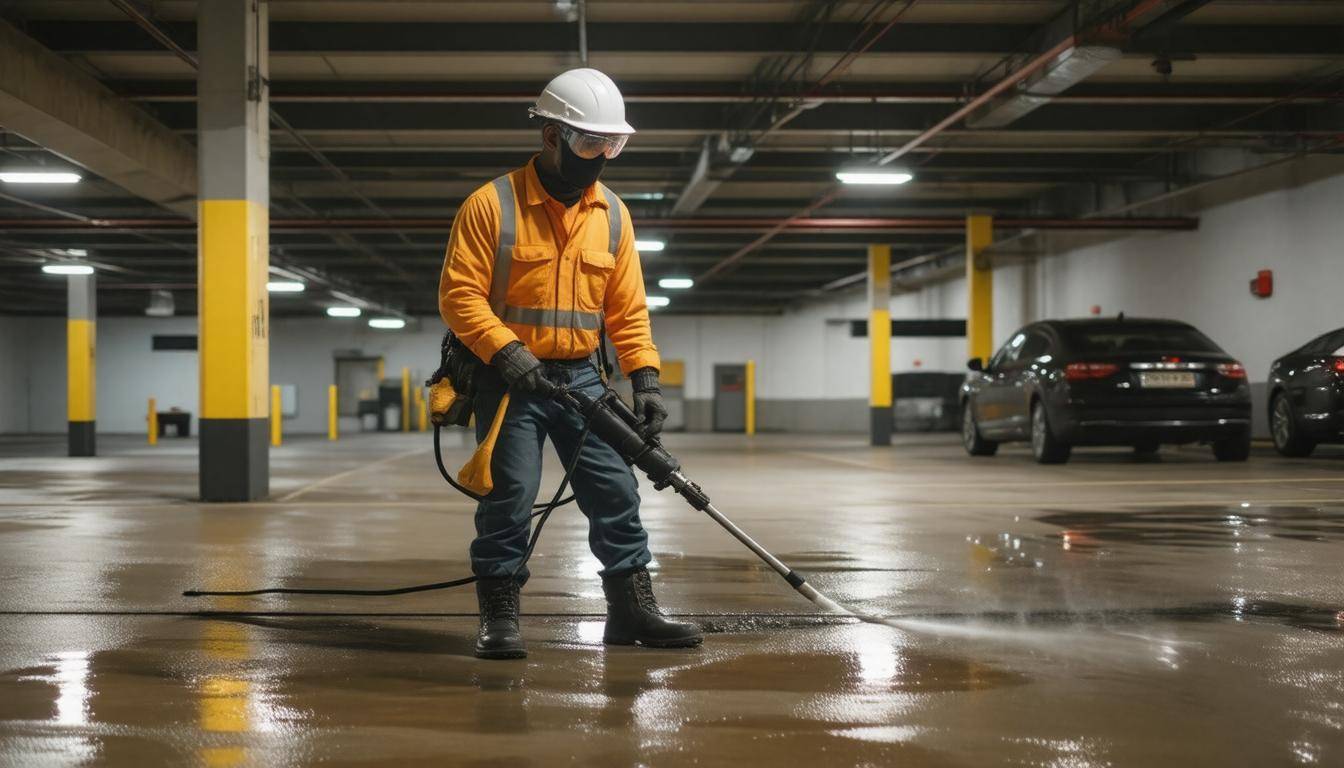
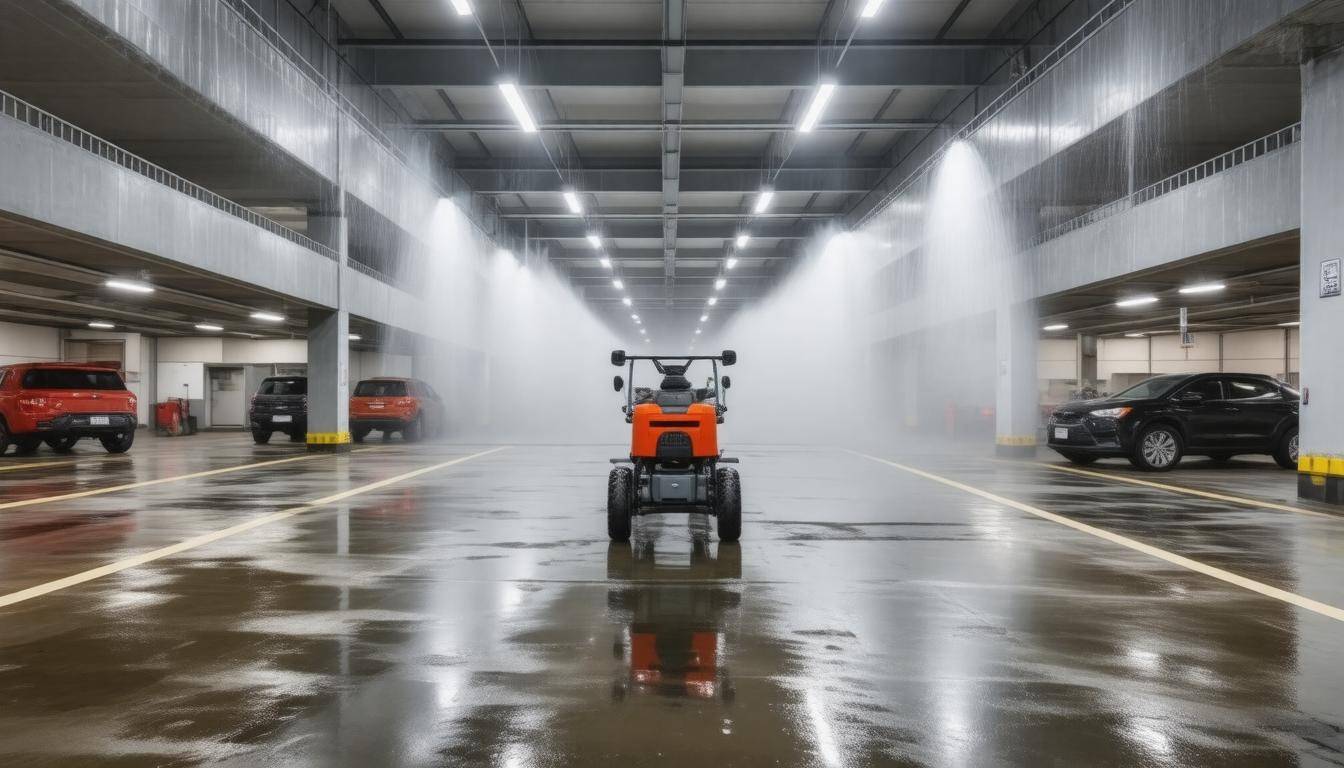
Moving beyond sweeping, monthly power washing steps up the cleaning by effectively stripping away stubborn grime, grease, and embedded pollutants that ordinary sweeping misses. Using industry-grade equipment with hot water pressure washers—such as those employed by trusted local parking garage cleaners—ensures deep cleaning without damage. This level of hygiene not only enhances curb appeal but also boosts overall safety by removing slick residues that invite falls.
Maintaining the facility’s appearance naturally leads to safeguarding its structure.
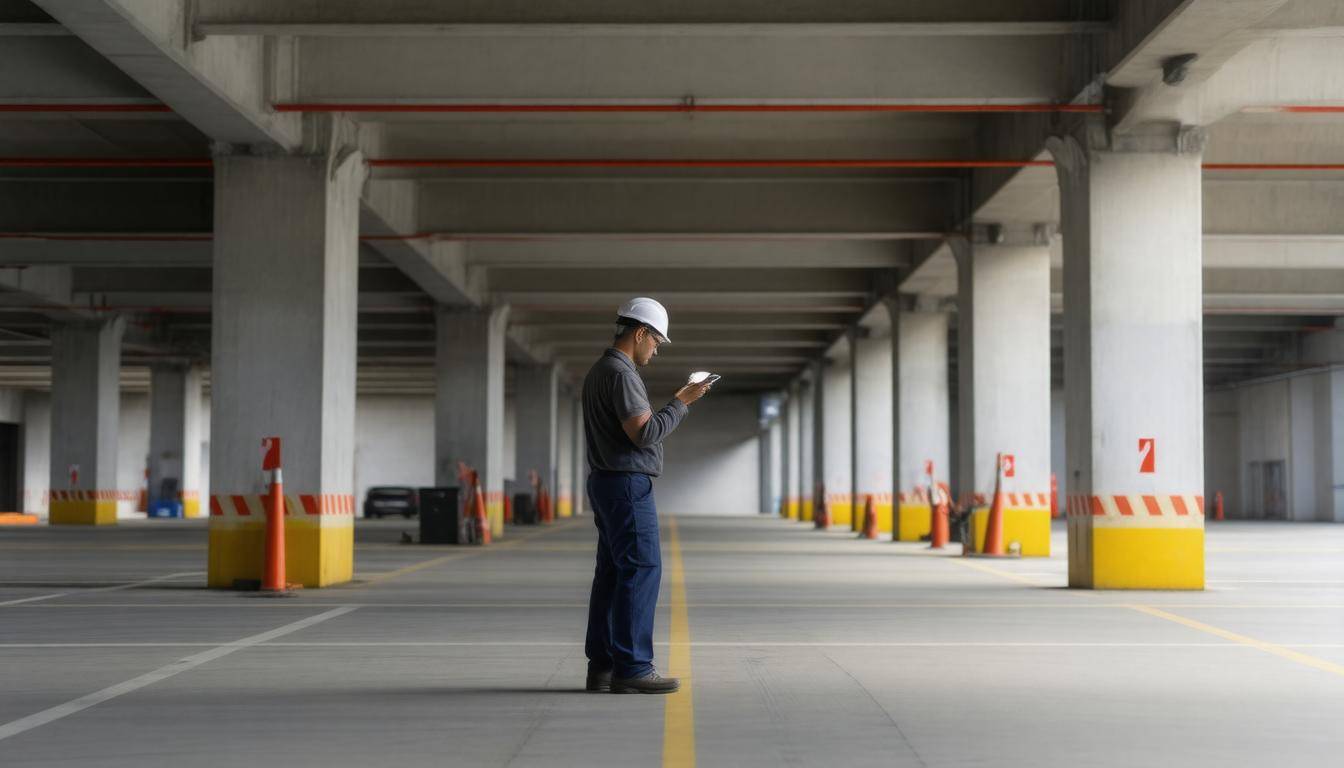
Quarterly inspections of key structural components such as concrete slabs, expansion joints, and drainage systems are vital for spotting early signs of deterioration. Concrete cracks or spalling left unchecked can jeopardize the entire structure due to moisture infiltration and freeze-thaw cycles common in Arizona’s climate extremes. Identifying these problems early means proactive repairs rather than disruptive and costly restorations down the line.
Equally important is an annual comprehensive check of all lighting fixtures and safety systems within the garage. Proper illumination dramatically reduces accidents by improving visibility for both drivers and pedestrians—even more so when paired with clearly marked lanes, pedestrian pathways, and strategically placed speed bumps. Safety upgrades like fresh paint for arrows and reflective signage should be part of this yearly ritual to maintain clarity in navigation throughout the space.
It’s worth noting how a well-lit and orderly parking environment not only prevents accidents but can also increase tenant satisfaction and customer retention for businesses operating nearby. A bright, clean garage invites confidence and communicates care—two powerful impressions in commercial property management.
A notable practice among seasoned professionals involves integrating preventative measures, such as applying specialized sealants on concrete surfaces after cleaning cycles to guard against stains and weathering. These coatings act like invisible armor, extending surface life at minimal cost over time—a smart investment for property managers serious about longevity.
Each of these tasks interlocks with the others to create a comprehensive maintenance rhythm that keeps garages safe, visually inviting, and structurally sound.
Commercial Power Washing specializes in this exact regimen across Arizona’s commercial properties, offering licensed, insured expertise backed by certifications such as OSHA and Power Washers of North America. Their eco-friendly products and advanced equipment are specifically calibrated to meet diverse needs—from delicate storefront surfaces adjacent to garages to rugged concrete decks supporting heavy traffic.
Call (602) 456-5935 today to schedule a free estimate or consultation tailored to your parking garage’s unique upkeep demands.
Taking care of structural integrity and safety through these scheduled tasks directly complements regular upkeep practices focused on cleanliness. Next, we explore these daily efforts to keep parking areas inviting and hazard-free for all users.
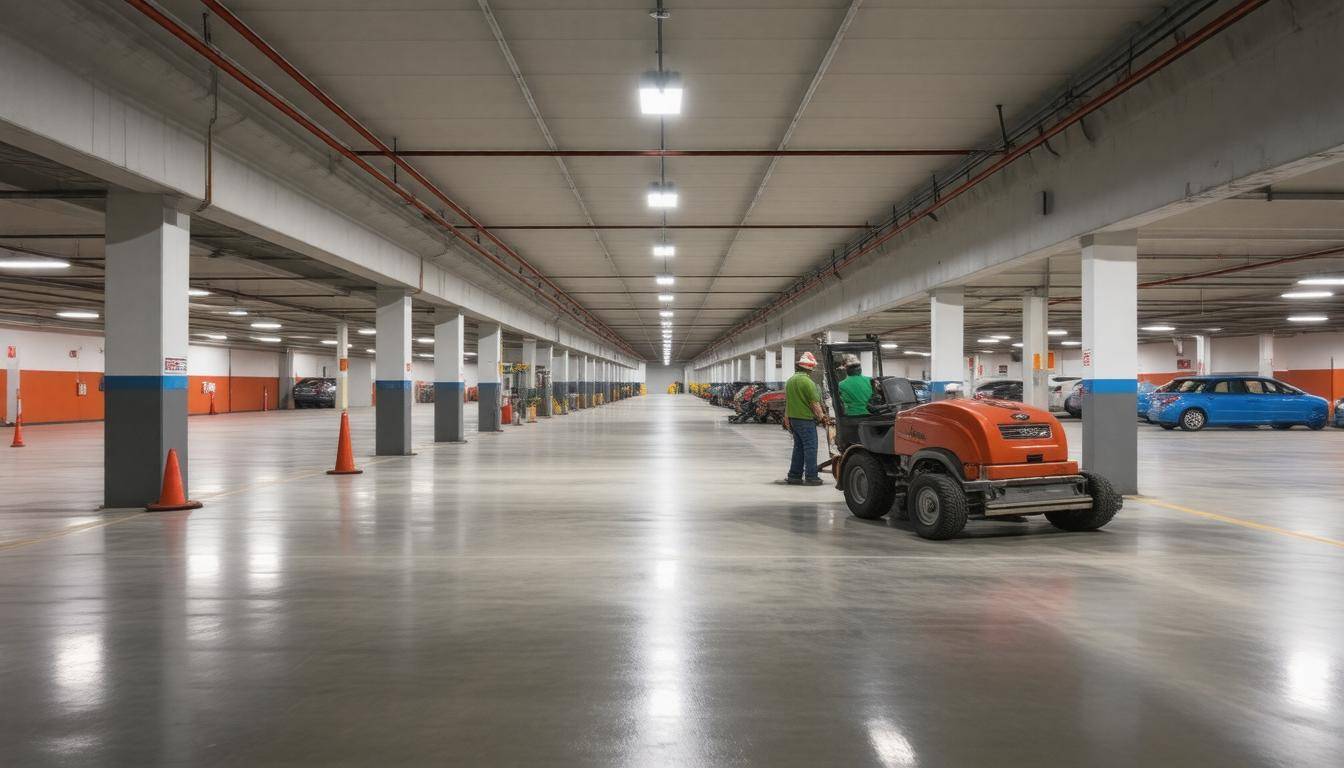
A clean parking garage is more than just pleasing to the eye — it’s a cornerstone of safety and longevity. Debris like leaves, dirt, and litter might seem harmless as they quietly pile up each day, but left unchecked, they can cause drainage problems and surface deterioration. Setting up a consistent sweeping routine is essential. Smaller garages often benefit from daily or every-other-day manual sweeping, but larger facilities gain real efficiency from automated sweepers that can cover broad areas quickly while reducing labor costs.
To make your cleaning schedule work well, align it with your garage usage and weather patterns. For example, during Arizona’s windy seasons, you might increase sweeping frequency to prevent dust and debris buildup that can affect driver visibility and track into vehicles.
Yet, sweeping only handles loose debris—it doesn’t remove ingrained grime or stains that develop over time. These require deeper intervention to preserve the concrete surfaces underneath and maintain traction for tires and pedestrians alike.
This is where power washing shines. Industrial-grade hot-water power washing isn’t just about looking good; it actively restores your parking facility by blasting away oil spills, tire marks, rust stains, and other contaminants that simple sweeping can’t touch. The heat intensifies cleaning power without harsh chemicals that might damage concrete or the environment. By incorporating power washing into your maintenance regimen quarterly — or more frequently if the location demands — you extend the life of your concrete floors and reduce slip hazards dramatically.
For commercial properties in Arizona dealing with heat and dust year-round, partnering with professionals like Commercial Power Washing ensures you get expert equipment and eco-conscious cleaning products tailored to your site’s needs. They also bring certified expertise to safely navigate large spaces and apply precise cleaning methods without disrupting business or damaging delicate surfaces.
Don’t overlook high-touch zones around entrances, stairwells, and elevators—those areas accumulate not only dirt but also oils and residues that compromise first impressions and safety. Regular spot cleaning combined with broader sweeping and power washing rounds out an effective maintenance plan that keeps your garage welcoming and structurally sound.
This blend of frequent sweeping paired with periodic deep cleaning protects your investment while creating a safer environment for employees, visitors, and customers alike. It’s an ongoing effort that pays dividends in enhanced curb appeal, reduced liability risks, and prolonged concrete integrity.
With a strong foundation built on cleanliness and upkeep, attention naturally turns toward ensuring the structure itself remains sound. Next, we explore how thorough inspections identify issues before they become costly repairs.
Structural integrity is non-negotiable for any parking garage. Over time, even seemingly minor imperfections such as tiny cracks or slight corrosion can silently worsen beneath the surface. Left unnoticed, these small issues evolve into significant hazards—causing compromised safety, costly repairs, and operational disruptions. Regular, scheduled inspections are essential to catch these problems before they spiral out of control.
The best way to stay ahead is to establish a biannual inspection routine conducted by qualified professionals. These inspections focus on detecting telltale signs: hairline cracks in concrete slabs, water ingress that may accelerate degradation, or rust forming on steel reinforcements. A hands-on approach complemented by non-destructive techniques like moisture meters or ultrasonic testing ensures comprehensive assessment without damaging your structure.
Detecting these weaknesses early is crucial because timely intervention can dramatically alter a garage’s lifespan and performance.
When defects are discovered, swift action becomes your strongest ally. Repair protocols must prioritize not just fixing visible damage but addressing root causes to prevent recurrence. For example, epoxy injection is a highly effective method for sealing cracks—it penetrates deep into the material, restoring stability and halting further spread. Similarly, rebar corrosion—the silent destroyer hidden beneath concrete—requires specialized treatments such as cathodic protection or corrosion inhibitors to protect the metal framework.
Delaying repairs is a false economy; what begins as a small patch job can rapidly escalate into major structural rehabilitation, driving up cost and downtime. Scheduling repairs promptly keeps your garage safe and functional while reducing expenses over the long term.
Remember that structural care extends beyond repair itself. Routine maintenance after repairs—such as sealing surfaces to prevent moisture infiltration and applying protective coatings—reinforces your garage against future wear and tear.
Combined with regular cleaning services like those offered by Commercial Power Washing, which expertly remove corrosive contaminants and grime from expansive surfaces, this holistic approach preserves both appearance and core strength.
“A well-maintained parking garage is not just an asset — it’s a commitment to safety, efficiency, and value,” emphasizes Jim Buckman, one of our satisfied clients who witnessed dramatic improvements after engaging our comprehensive maintenance services.
Key points to maintain structural integrity include:
Partnering with experienced professionals like Commercial Power Washing in Arizona guarantees expert care tailored to your facility’s unique needs.
With the garage's structural health securely managed, attention naturally shifts toward optimizing its functionality through smarter energy use and improved lighting conditions—elements that enhance both safety and sustainability.

Proper lighting in parking garages isn’t just about making sure drivers can see where they’re going; it’s a fundamental layer of security and accident prevention. When garages are poorly lit, hazards become harder to spot, and the risk of theft or vandalism increases. Bright, well-designed lighting signals that the area is cared for and monitored, which naturally deters unwanted activity.
But lighting a large parking structure around the clock can be expensive, which brings us to smart strategies for energy efficiency.
Switching over to LED lighting is one of the most straightforward ways to cut energy costs without sacrificing brightness or safety. LED fixtures consume up to 75% less energy than traditional bulbs such as fluorescents or metal halides.
Moreover, LED's have an average lifespan of 25,000 to 50,000 hours, meaning they require fewer replacements—a major win when considering the time and expense involved with replacing lamps in hard-to-reach places.
The durability of LED's also means less frequent maintenance work that often disrupts access to parts of your garage. This continuous performance translates to consistent illumination levels without the frustrating dimming that older bulbs suffer from as they age.
Plus, LED lights emit less heat and operate more efficiently in colder temperatures—a practical benefit for open or semi-enclosed structures exposed to temperature swings.
Of course, upgrading bulbs is only one piece of the puzzle; controlling when those lights activate can multiply your savings dramatically.
Integrating motion sensors into parking garage lighting systems aligns perfectly with modern demands for smarter infrastructure.
These sensors detect movement nearby, switching lights on only when areas are occupied or in use. By avoiding unnecessary lighting during empty periods—often nighttime hours or slow weekdays—energy consumption can be significantly reduced.
For instance, large commercial garages outfitted with motion sensor technology have reported over 30% reductions in their overall energy bills.
Beyond saving dollars, shorter operating times extend lamp life even further and reduce heat generation within enclosed spaces, improving the longevity of electrical components.
Motion-activated lighting also heightens security by creating sudden illumination as someone approaches, alerting individuals that the space is monitored without having lights burning continuously.
When installing these systems, it’s crucial to configure sensor sensitivity carefully—too sensitive might lead to lights flickering unnecessarily with minor disturbances like animals or wind; too insensitive could mean delayed lighting activation.
Pairing motion sensors with daylight harvesting controls—systems that adjust artificial light based on ambient sunlight—is another advanced way to optimize energy use while maintaining proper brightness throughout the day.
Together, LED upgrades and intelligent sensor controls form a powerful duo that not only makes your parking garage safer but also cuts operational costs—and that’s a strong foundation before moving into broader maintenance practices designed to protect your investment over time.

Setting up a structured maintenance calendar is much like laying down a map for reliable upkeep. By anticipating potential issues, you reduce the chance of unexpected breakdowns that could disrupt daily operations or even pose safety risks to users. This proactive mindset helps transform maintenance from a reactive scramble into a smooth-running routine.
A practical way to manage this process is by creating a comprehensive digital or physical calendar. This calendar should detail every maintenance task—no matter how small—with clear deadlines and assigned personnel responsible for execution. Many property managers find value in incorporating software solutions designed specifically for maintenance tracking; these tools send reminders before key inspections and allow real-time updates on job completion, helping keep teams accountable and informed.
Without consistency, even the best-maintained properties can experience preventable wear and tear, so embedding regular checks into your schedule is vital.
When designing your calendar, include recurring tasks based on frequency and seasonal considerations. For example, HVAC systems often require quarterly servicing to ensure efficient airflow and climate control. Fire safety equipment, such as extinguishers and alarms, benefits from monthly testing to guarantee they function in emergencies. Aligning the calendar with operational rhythms keeps the workload manageable while safeguarding critical infrastructure.
Assigning clear ownership of each task to specific staff members or contractors creates accountability. Imagine it like delegating key roles in an orchestra; when every player knows their part and timing, the whole performance flows flawlessly. Transparent documentation also provides an audit trail—a valuable asset if compliance standards or insurance inquiries arise.
Focusing on particular high-impact areas during maintenance rounds ensures efforts target elements that most influence safety and longevity.
Here are several crucial components that should feature prominently on any preventative maintenance schedule:
HVAC System Checks: Regular inspection of heating, ventilation, and air conditioning units not only preserves comfort but also prevents system failures that can lead to costly replacements or downtime.
Fire Safety Equipment Testing: From extinguishers to smoke detectors, timely tests safeguard lives by ensuring readiness in case of fire incidents.
Drainage System Inspections: Keeping drains clear defends against water pooling or flooding, which can damage concrete surfaces and contribute to structural weakening.
Elevator and Escalator Maintenance: Particularly in multi-level parking structures, frequent examination and lubrication avert mechanical failures that inconvenience users and may cause injuries.
Safety Railings and Barrier Reviews: Structural integrity checks of railings prevent accidents related to weakened or rusted materials exposed to weather conditions over time.
Prioritizing these aspects based on your garage’s design, traffic volume, and local climate conditions creates a tailored strategy maximizing both efficiency and cost-effectiveness. Preventative care today reduces repair expenses tomorrow.
Partnering with experienced service providers like Commercial Power Washing in Arizona can enhance your schedule’s effectiveness. Certified professionals with access to industrial-grade equipment not only clean hard-to-reach areas safely but also identify potential trouble spots early on during routine visits.
A well-planned maintenance routine builds your garage's durability while enhancing safety measures. This foundation prepares your property to withstand environmental challenges more effectively as we explore strategies tailored for changing weather conditions next.
As the colder months approach, your focus should turn to preventing ice build-up and water damage. Stocking up on de-icing agents isn’t just a convenience; it’s vital to avoid dangerous slip hazards and structural strain caused by expanding ice inside cracks.
Equally important is inspecting and clearing drainage systems—leaves, dirt, and debris commonly clog drains, leading to pooling water that freezes overnight. A neglected drain doesn’t just cause slippery patches; trapped moisture can seep into concrete joints and accelerate damage through frost-related expansion.
Keep these seasonal precautions as part of your checklist: inspect gutters and downspouts, clear debris around entry points, and verify sump pumps or other drainage aids are functioning properly. This proactive approach helps minimize the wear cold weather inflicts on concrete, metal railings, and sealants.
When winter fades, summer introduces a new set of challenges—heat can be just as damaging as cold if you don’t prepare your facility.
High temperatures cause materials in your parking structure to expand and contract repeatedly throughout the day—a process that stresses everything from concrete slabs to expansion joints. Without regular supervision, small cracks can widen quickly, leading to costly repairs or compromised safety.
That’s why frequent inspections during the warmer months are essential; look for visible signs of wear such as gaps in joint sealants, surface spalling, or rust stains from corroded reinforcements beneath the surface.
Applying high-quality sealants to concrete surfaces acts like sunscreen—it shields against sun damage and prevents moisture intrusion that leads to erosion over time. Proper ventilation also plays a crucial role here by reducing trapped heat and humidity levels which exacerbate material degradation.
To maintain optimal conditions year-round, specialized cleaning processes like hot water power washing can remove built-up grime, oils, and pollutants that both trap heat and encourage surface deterioration. Engaging experienced professionals such as Commercial Power Washing ensures these tasks are performed using industry-grade equipment tailored specifically for commercial properties.
If you want your parking garage to stand strong through Arizona’s harsh weather cycles—from scorching summers to unpredictable winters—reach out to Commercial Power Washing at (602) 456-5935 for expert cleaning, maintenance guidance, and customized services designed for longevity and safety.
Seasonal maintenance tailored to your parking garage not only guards against immediate risks but also extends the lifespan of your structure. Attentive care through every season preserves safety for users while protecting your investment from costly future repairs.
For optimal safety and longevity, a parking garage should be inspected at least twice a year, with routine maintenance tasks performed quarterly. Studies show that regular inspections can reduce structural issues by up to 40%, preventing costly repairs and safety hazards down the line—think of it as your garage’s biannual “health check-up” to keep those ramps rolling smoothly!
The most common issues in parking garages demanding maintenance include concrete spalling, water leakage, corrosion of steel reinforcements, and malfunctioning lighting systems. According to industry reports, over 60% of parking structures exhibit signs of concrete deterioration within 20 years due to exposure to moisture and de-icing salts, compromising structural integrity and safety. Regular inspections targeting these problems not only extend a garage’s lifespan but also prevent costly repairs and enhance user safety.
To improve safety and prevent accidents during parking garage maintenance, always use clear signage and barriers to keep unauthorized personnel out, ensure workers wear proper PPE, and maintain good lighting in all work areas. Studies show that consistent use of safety protocols can reduce workplace accidents by up to 40%. Regular training on hazard recognition and emergency response also plays a crucial role in keeping the garage—and its maintenance crew—safe and sound.
Structural damage in a parking garage can be identified early by regular visual inspections focusing on cracks, rust stains, and spalling concrete, which account for over 60% of initial warning signs in such facilities. Monitoring load-bearing columns and joints for deformation or water seepage—often the silent culprits behind costly repairs—ensures safety and longevity. If caught within the first three months of occurrence, repair costs can be reduced by up to 40%, making early detection not just smart but economically savvy.
For parking garage surfaces, pressure washing combined with eco-friendly degreasers is the top cleaning method, blasting away oil stains and grime while preserving concrete integrity—studies show that regular pressure washing can extend surface life by up to 30%, reducing costly repairs. Additionally, using microfiber mops for quick touch-ups helps keep debris in check without scratching surfaces, ensuring your garage looks sharp and safe from slip hazards.
Commercial Power Washing
(602) 456-5935
[email protected]
Phoenix • Scottsdale • Paradise Valley • Fountain Hills • Cave Creek • Mesa • Tempe • Chandler • Gilbert • Queen Creek • San Tan Valley • Apache Junction • Ahwatukee • Maricopa • Casa Grande • Glendale • Goodyear • Peoria • Buckeye • Tolleson • Surprise • Wickenburg • Tonopah • Waddell • El Mirage
COMMERCIAL POWER WASHING | COMMERCIALPOWERWASHING.NET | COPYRIGHT © 2025
Terms • Privacy • Accessibility • License