If you think cleaning a parking garage is just about sweeping up trash now and then, think again. These spaces see constant wear from cars, weather, and spills that quietly wear down concrete and create safety risks. Knowing how often to clean your garage isn’t just about keeping it looking nice—it’s about preventing damage and keeping everyone safe. In this article, we break down what experts recommend for cleaning frequency and why sticking to the right schedule saves money and headaches in the long run.
Parking garages should ideally be cleaned regularly, often every three to six months to prevent buildup of dirt, oil stains, and debris that can affect safety and curb appeal. However, high-traffic garages or those exposed to harsh environmental conditions may require more frequent cleaning to maintain a clean and professional appearance.
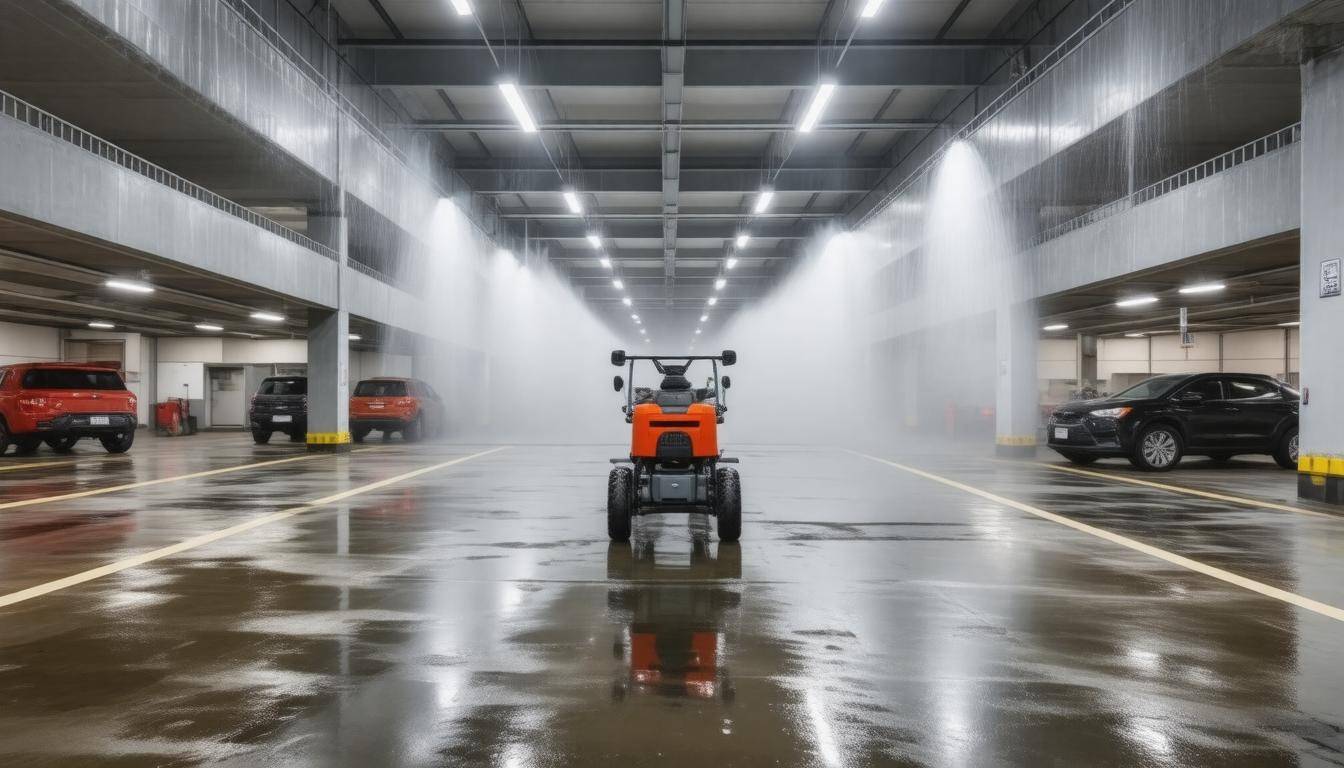
Experts typically advise maintaining a routine cleaning schedule where parking garages receive thorough attention at least every three months. This quarterly regimen is designed to prevent the gradual accumulation of dirt, oil stains, salt, and other debris that silently degrade concrete surfaces and structural integrity over time. Without regular intervention, this buildup can accelerate wear, causing discoloration, surface roughness, and even concrete spalling that compromises safety.
In busy locations with heavy daily traffic—such as downtown parking structures or garages serving popular shopping centers—monthly cleanings often become necessary. High vehicle volume means not only more tire residue and gum spots but also increased oil leaks, trash, and grime brought in by foot traffic. These contaminants don't just create unsightly environments; they increase slip hazards and encourage pest infestations if unchecked.
Beyond sheer volume, localized environmental factors play a critical role in deciding how frequently cleaning should occur. Garages located in regions subject to heavy rains, snowstorms, or frequent use of road salt demand more vigilant maintenance schedules. Salt is especially corrosive to rebar embedded in concrete slabs, leading to rust expansion and cracking beneath the surface.
Similarly, urban garages face challenges from pollution—accumulated soot and smog residues leave surfaces grimy and sticky, reducing curb appeal and potentially clogging drainage systems.
By customizing cleaning intervals based on these variables—traffic levels, weather patterns, environmental pollutants—you balance property preservation with user safety. A facility that feels clean invites respectful use while minimizing long-term repair costs through proactive upkeep.
| Factor | Suggested Cleaning Frequency | Rationale |
|---|---|---|
| Low Traffic & Mild Climate | Quarterly or Semi-Annually | Lower contamination rates require less frequent cleans |
| High Traffic Areas | Monthly | Heavy soiling necessitates frequent maintenance |
| Areas with Snow & Road Salt | Monthly or Following Winter Seasons | Salt accelerates corrosion; post-winter cleans crucial |
| Urban/Industrial Environments | Monthly to Bi-Monthly | Pollution increases grime buildup |
| Coastal Locations | Quarterly with Special Attention to Salt Spray | Salt air contributes to faster deterioration |
For property managers seeking cost-effective solutions, partnering with professional services like Commercial Power Washing guarantees that cleaning schedules align with these recommended frequencies without compromising quality. Our team uses industry-leading hot water pressure washing combined with eco-friendly detergents tailored to your garage’s unique conditions.
Understanding the appropriate cleaning frequency prepares you to recognize the key indicators that signal when your garage requires immediate attention and maintenance.
When it comes to maintaining a parking garage, waiting for a scheduled date isn’t always enough. Environmental conditions, traffic levels, and site-specific factors can accelerate dirt buildup or create hazards that need immediate attention. Spotting these warning signs early can prevent costly damage and keep your space safe and inviting.
One of the most visible indicators is the accumulation of dirt, grime, and oil stains on floors and walls. These aren’t just cosmetic issues; heavy layers of oil or grease become slippery hazards for both drivers and pedestrians. Over time, stubborn stains penetrate concrete surfaces, making them difficult—or in some cases impossible—to remove without specialized pressure washing services. If you start seeing widespread dark patches or slick spots during daily walkthroughs, it’s a clear call for professional cleaning.
Another red flag is the presence of persistent unpleasant odors, which many facility managers overlook until tenants or customers complain. These smells usually arise from organic debris trapped in drains or crevices—things like leaves, food waste, or even small amounts of standing water can foster mold growth and attract pests such as rodents or insects. Beyond creating an uncomfortable environment, these conditions pose health risks and damage garage infrastructure over time.
Perhaps the most critical sign is any indication of safety hazards directly caused by poor cleanliness. A particularly dangerous example is accumulated oil spills or chemical residues creating slippery patches. Without prompt cleaning, these areas increase the risk of accidents or injuries, potentially exposing property owners to liability claims. Not to mention, debris clogging drainage systems can lead to flooding during storms, further exacerbating safety concerns.
To summarize the essential signals, your parking garage needs cleaning:
Regular inspections make spotting these problems easier before they grow uncontrollable. At Commercial Power Washing, we stress that clients schedule preventative cleanings tailored to traffic intensity and environmental exposure. This proactive approach keeps garages in top condition longer while minimizing unexpected service disruptions.
“When a downtown Phoenix client reached out because their customers noticed unsightly dark vehicle exhaust streaks across their garage walls, we stepped in with targeted hot-water pressure washing that restored brightness and improved air quality immediately,” recalls our operations manager.
Recognizing these warning signs empowers property managers to act swiftly rather than rely solely on routine dates. With timely maintenance in place, the next focus naturally moves toward selecting proven methods that effectively restore cleanliness without compromising garage durability.

Different types of dirt and grime demand different approaches when it comes to cleaning parking garages. What works brilliantly on melted oil spots may be too harsh for painted or delicate concrete surfaces. That’s why selecting the right cleaning method is not just a matter of preference but essential for preserving the structure and ensuring thorough cleanliness.
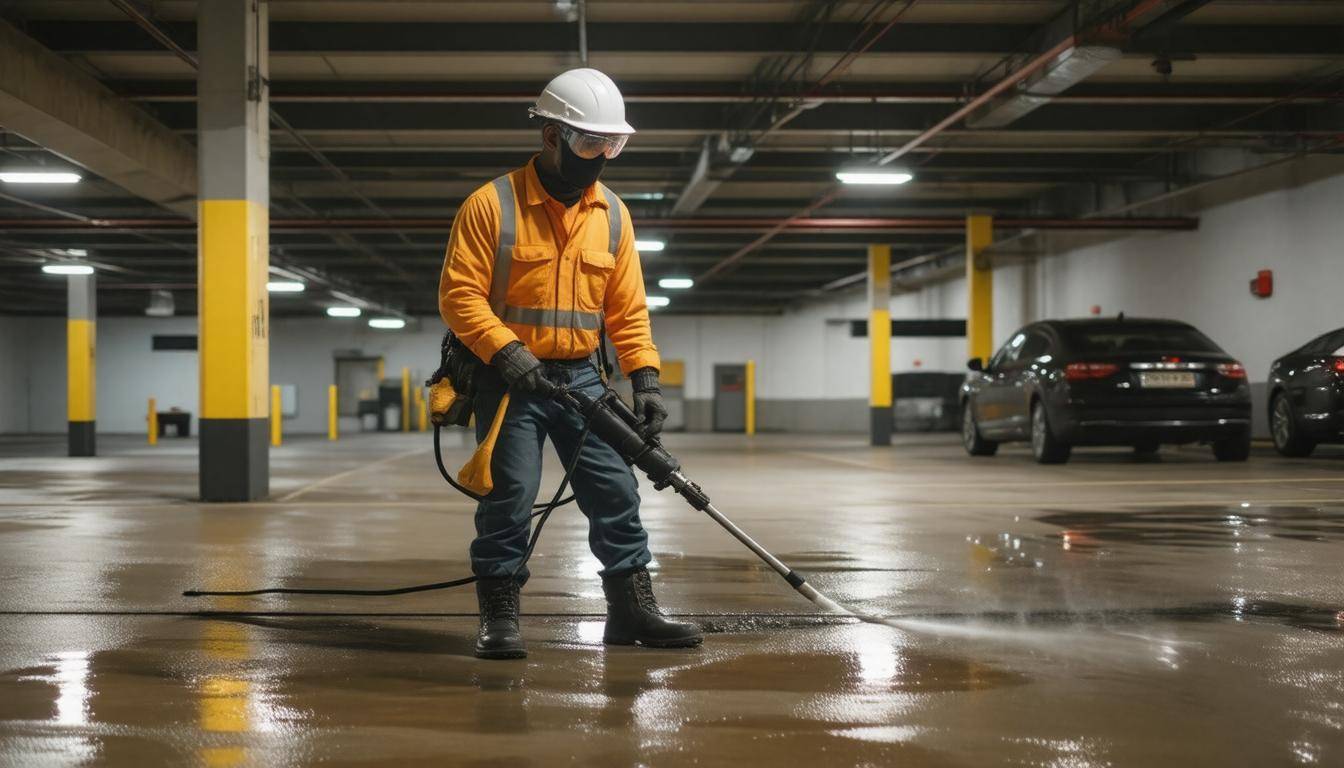
At Commercial Power Washing, we rely on industrial-grade hot-water power washers that bring serious muscle to the job. These machines use not only high pressure but also heated water, which significantly improves the breakdown of stubborn grime, oily residues, and grease stains that commonly litter parking garages. The heat helps dissolve oily substances faster while the pressure blasts away any dirt baked into porous surfaces or cracks.
Expanding on this, high-pressure washing is particularly effective in vast open spaces such as parking lots or garages where heavy vehicle traffic deposits layers of filth. It cuts through mud, tire marks, construction dust, and even the tenacious black streaks left by frequent braking.
Beyond aesthetics, this deep cleaning prevents slip hazards caused by slick oil patches, directly contributing to safety. It also discourages pests attracted by food debris and organic build-up.
On the other hand, soft washing presents a gentle yet effective alternative for areas vulnerable to damage from aggressive methods. This technique combines lower water pressure with specialized eco-friendly detergents designed to lift dirt without scrubbing or scraping away surface coatings or paint. For historical buildings with ornate facades nearby or sensitive architectural features within a garage, soft washing is invaluable.
Soft washing’s chemical-based approach targets biological growth like mold, mildew, and algae—common culprits that thrive in damp environments and degrade surfaces over time. Because it uses less forceful water streams, soft washing extends the lifespan of delicate materials while still delivering a deep clean that restores brightness and curb appeal to surroundings often neglected in routine maintenance.
While choosing between high-pressure washing and soft washing revolves around balancing thoroughness versus surface protection, neither should compromise safety protocols vital to professional cleaning services.
Maintaining health and safety standards during commercial-scale cleaning ensures workers operate safely around electrical equipment, vehicles, and pedestrians within active parking facilities. Our team at Commercial Power Washing follows all OSHA guidelines, leverages certified training on aerial lifts for hard-to-reach surfaces, and employs environmentally compliant detergents that safeguard both users and surrounding plant life.
Furthermore, scheduling routine cleanings using these specialized techniques keeps your property inviting and hazard-free without interrupting daily operations—a crucial consideration for busy commercial spaces.
"Effective cleaning isn’t just about removing grime—it’s about preserving the integrity of your property while protecting everyone who uses it," notes one of our seasoned technicians.
This combination of targeted techniques backed by industry expertise forms the cornerstone of comprehensive parking garage maintenance—one that fosters safety, longevity, and visual appeal in every square foot cleaned.
As keeping physical spaces pristine directly supports well-being and accident prevention, it naturally leads us to explore the guidelines governing health and safety practices crucial in these environments.
Maintaining a clean parking garage goes hand in hand with prioritizing the safety of everyone involved—both the cleaning crews and the daily users of the facility. This means establishing clear protocols that reduce risks during and after cleaning operations. For instance, placing proper signage around wet or freshly cleaned areas is more than just a courtesy; it serves as a critical warning that can prevent potentially serious slips and falls.
In a busy commercial setting where vehicle and foot traffic intersect, these visual cues are essential to keeping accidents at bay.
Beyond signage, protective gear is another pillar of workplace safety. Workers should be equipped with gloves, eye protection, slip-resistant boots, and sometimes respiratory masks depending on the chemicals or debris involved. When employees are properly outfitted, they’re better protected from hazardous substances like oil residues, rust particles, or cleaning solvents frequently encountered in garage environments.
Studies by OSHA highlight that slips, trips, and falls make up about 15% of all accidental deaths annually in the U.S., underscoring why adherence to safety protocols isn’t optional—it’s a necessity for responsible property management. This statistic drives home the point that every precaution must be taken seriously to safeguard lives and maintain operational continuity.
Moreover, it’s important to tailor health and safety measures to the specific demands of each parking structure. A multi-level garage with tight corners or uneven surfaces may require additional lighting or barriers during cleaning to ensure no one inadvertently wanders into unsafe zones. Facilities with heavy vehicle use might need traffic control measures or scheduling cleanings during off-peak hours to minimize exposure risks for both workers and patrons.
From our experience at Commercial Power Washing, implementing a thorough site evaluation before any job begins helps identify potential hazards early. Our teams methodically assess entry points, pedestrian pathways, drainage systems, and ventilation before setting up equipment. This level of diligence not only promotes efficiency but also guarantees compliance with OSHA standards and local regulations.
While following these safety measures forms a solid foundation for parking garage maintenance, selecting the right type of cleaning tailored to your facility’s unique conditions further enhances the overall effectiveness—and longevity—of your investment.

Not all cleaners are created equal, especially when it comes to parking garages. Understanding the distinction between basic and deep cleaning can save you time, money, and prevent costly damage down the line.
A basic clean is generally what keeps the garage looking presentable on a daily or weekly basis. It includes sweeping away debris like leaves, trash, and dirt, as well as light washing to remove surface grime. This kind of cleaning is often sufficient for routine upkeep, particularly in climates where heavy pollutants or weathering aren’t constant challenges.
However, relying solely on basic cleaning overlooks the hidden buildup that accumulates over months—oil stains, tar deposits, rust marks from vehicles, and embedded dirt that a simple hose-down just won’t touch. That’s where deep cleaning steps in.
Deep cleaning typically involves high-pressure power washing combined with specialized chemical treatments designed to break down tough substances without harming the concrete or paint finishes. This intensive process might also include targeted graffiti removal or rust remediation, depending on the state of the structure.
Think of it like washing your car: a basic rinse and wipe can keep it looking decent day-to-day, but a thorough detailing removes the grit and grime lodged in every nook and cranny, ultimately extending its life and enhancing performance. The same goes for parking garages; skipping deep cleans regularly invites faster deterioration of surfaces, making cracks and stains permanent problems.
Skimping on scheduled deep cleaning may seem like cutting costs initially, but often results in accelerated wear on surfaces due to corrosive oil spills or accumulated dirt that traps moisture against concrete. Over time, this can erode joints and cause structural weakening—issues that demand expensive repairs or replacements later.
Moreover, stains left untreated can become eyesores that deter customers or tenants from choosing where to park or lease office space.
Ideally, combine frequent basic cleans with less frequent but comprehensive deep cleaning sessions tailored to the environment and traffic your garage faces. For example, urban garages near industrial zones might require quarterly deep cleans while suburban lots might get by with semi-annual treatments.
Consulting professionals who can assess your property’s specific conditions ensures your cleaning schedule actually protects your investment.
Beyond just appearance and longevity, protecting your structure from environmental impacts is equally critical—something that specialized cleaning techniques directly support.
Parking garages, due to their constant vehicle traffic, naturally accumulate oils, grease, dirt, and various pollutants. When these contaminants build up, they don’t just make your garage look grimy—they can also wash off into stormwater systems during rain or wash downs, eventually reaching local waterways. This runoff often carries hydrocarbons, heavy metals, and other toxic substances that pose a serious threat to aquatic life and overall water quality.
That’s why adopting eco-friendly cleaning practices is so important. At Commercial Power Washing, we prioritize using biodegradable detergents and carefully manage wastewater to prevent harmful chemicals from entering the environment. For example, our soft washing techniques apply lower pressure and specialized cleaning agents that break down grime without excessive water usage or aggressive chemicals. This approach not only cleans effectively but reduces chemical residues that could pollute runoff.
According to the EPA, urban runoff is among the top contributors to water pollution in many states, carrying pollutants from surfaces like parking garages directly into rivers and lakes. By maintaining cleaner garage surfaces with environmentally conscious methods, property owners actively reduce the amount of hazardous runoff generated on-site.
Furthermore, debris such as leaves or trash combined with oily substances can clog drainage systems if left unchecked. Routine cleaning removes these blockages before they cause drainage failures or localized flooding—both costly problems for property managers and hazards for users.
Another key consideration is timing your cleaning operations to minimize environmental impact. For instance, scheduling washes during dry weather helps contain wastewater and prevents it from running off too quickly into storm drains. Additionally, containment measures like barriers or vacuum recovery systems can capture wastewater for proper disposal or treatment rather than letting it escape untreated.
The efforts you invest in eco-conscious cleaning not only safeguard local environments but align with growing regulatory expectations across Arizona and beyond. Increasingly, municipalities require commercial properties to implement the best management practices to limit pollution from facility maintenance activities.
Regular maintenance paired with environmentally sound cleaning isn't merely about compliance—it also protects your investment by extending the lifespan of concrete surfaces and structural elements which degrade faster under chemical assault. Cleaner surfaces also enhance safety by reducing oil slicks that create slip hazards.
These environmental concerns underscore how maintaining a parking garage goes beyond appearance—it serves as an act of stewardship for the community and natural resources alike.
Embracing eco-friendly cleaning not only preserves the environment but promotes long-term savings and safety for your property. Thoughtful maintenance today safeguards both your investment and the world around us.
Regular cleaning is like a spa day for parking garages—it keeps surfaces free from oil, grime, and corrosive salts that can eat away at concrete and metal reinforcements. This maintenance not only prevents costly structural damage but also reduces slip-and-fall accidents by keeping floors clear of debris and slick residues. Studies show that garages swept weekly see up to a 40% reduction in surface deterioration over five years, proving that a clean garage is a safer, longer-lasting garage.
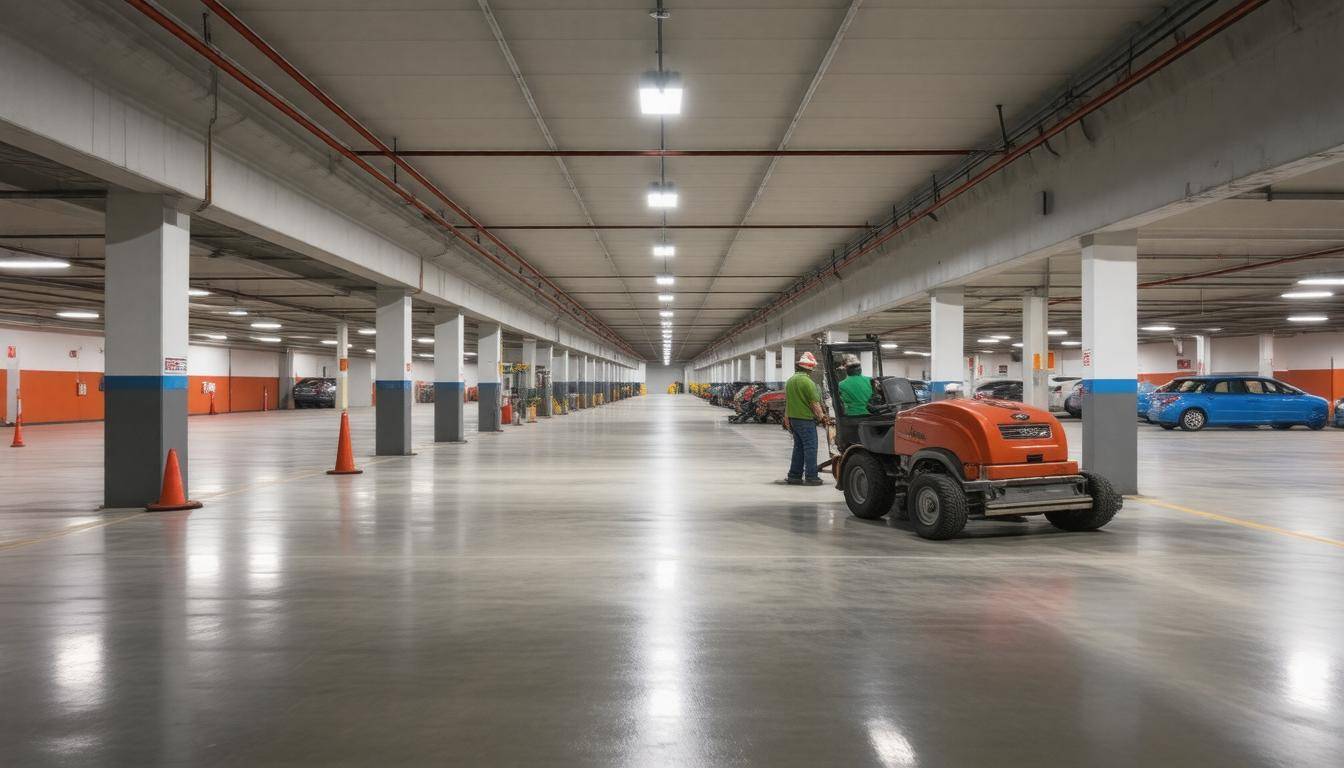
For parking garages, a blend of power sweeping and pressure washing is king—power sweepers efficiently handle dust and debris, reducing particulate matter by up to 85%, while high-pressure washers tackle stubborn stains and oil drips without damaging surfaces. Incorporating eco-friendly degreasers and automated scrubbers can further boost cleanliness, making your garage look less like a post-apocalyptic movie set and more like a well-oiled machine (pun intended).
Common challenges in parking garage cleaning include stubborn oil stains, poor lighting hiding dirt, and logistical headaches like traffic flow disruption. Tackling this requires industrial-grade degreasers for those all-too-frequent spills, strategic scheduling during off-peak hours to minimize inconvenience, and investing in better lighting and ventilation to keep grime visible and air fresh. Fun fact: regular cleaning can reduce slip-and-fall incidents by up to 30%, proving a little elbow grease goes a long way!
For indoor parking garages, a deep clean every 3–6 months is recommended to tackle dust and oil build-up, while high-traffic outdoor garages benefit from monthly power washing to fend off grime and weather damage; commuter lots with heavy daily use might even require weekly spot cleaning. Studies show that regular maintenance can reduce slip-and-fall incidents by up to 30%, proving that a little scrubbing goes a long way in safety and longevity—after all, no one wants their car doing a slip-and-slide on the way to work!
Yes, there are specific environmental regulations for parking garage cleaning, primarily focusing on proper disposal of hazardous materials like oil, grease, and heavy metals often found in runoff water. Many regions require the use of environmentally friendly cleaning agents and containment systems to prevent pollutants from entering storm drains; for instance, the EPA estimates that improper cleaning can release up to 20% of urban water pollution from such runoff. Compliance not only protects ecosystems but also helps avoid hefty fines—so keeping it clean goes beyond just aesthetics!
Commercial Power Washing
(602) 456-5935
[email protected]
Phoenix • Scottsdale • Paradise Valley • Fountain Hills • Cave Creek • Mesa • Tempe • Chandler • Gilbert • Queen Creek • San Tan Valley • Apache Junction • Ahwatukee • Maricopa • Casa Grande • Glendale • Goodyear • Peoria • Buckeye • Tolleson • Surprise • Wickenburg • Tonopah • Waddell • El Mirage
COMMERCIAL POWER WASHING | COMMERCIALPOWERWASHING.NET | COPYRIGHT © 2025
Terms • Privacy • Accessibility • License